
Medical Education

Children's Ophthalmology Consultations in Geneva: For Your Child's Eye Health
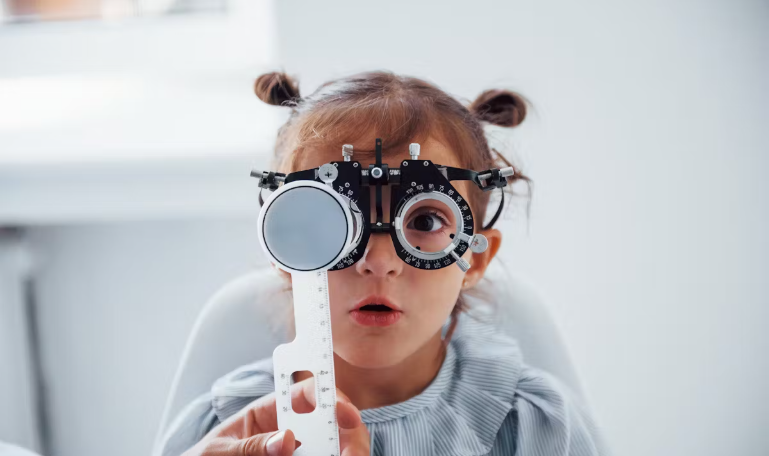
Focus Keyphrase: Pediatric Ophthalmology Consultations Geneva
SEO Title (English): Pediatric Ophthalmology Geneva: Eye Exams for Children & Babies
SEO Description (English): Pediatric ophthalmology consultations in Geneva for children and babies. Eye exams, screening for visual disorders, and specialized care. Pediatric ophthalmology practice in Geneva.
Why are children's ophthalmology consultations important in Geneva?
Vision plays a crucial role in a child's overall development, from infancy to adolescence. Regular pediatric ophthalmology consultations are essential to ensure the healthy development of your child's vision, to screen for and treat visual disorders early, and to prevent potential long-term complications.
Even in the absence of apparent symptoms, an eye exam by a pediatric ophthalmologist is recommended at key ages during childhood. Early screening allows for effective correction or management of many vision problems in children.
At what age should you take your child for a pediatric ophthalmology consultation in Geneva?
The recommended schedule for pediatric ophthalmology consultations is as follows:
- From birth, at the maternity ward or during the 8th-day visit: A first screening exam is performed by the pediatrician or midwife to check for the absence of serious congenital anomalies (congenital cataract, congenital glaucoma, retinoblastoma...).
- Around 9 months of age: First comprehensive consultation with a pediatric ophthalmologist. This exam screens for refractive errors (myopia, hyperopia, astigmatism), strabismus, and other eye abnormalities.
- Around 2-3 years of age: Follow-up consultation with the pediatric ophthalmologist. It is often at this age that visual acuity can be measured more precisely and that certain conditions such as amblyopia can be detected and treated effectively.
- Before entering primary school (around 5-6 years old): Screening consultation before learning to read. To ensure that the child has correct binocular vision and good visual acuity for distance and near, essential for schooling.
- Then, regular exams: Depending on the recommendations of the pediatric ophthalmologist, or in case of symptoms or risk factors, regular check-ups will be necessary throughout childhood and adolescence.
This schedule is indicative. Do not hesitate to consult a pediatric ophthalmologist earlier if you have concerns about your child's vision, regardless of their age.
What visual disorders are screened for during pediatric ophthalmology consultations in Geneva?
Pediatric ophthalmology consultations screen for and manage many visual disorders in children, including:
- Refractive errors:
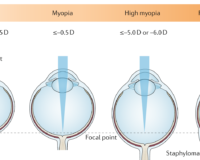
- Myopia (nearsightedness).
- Hyperopia (farsightedness).
- Astigmatism (distorted vision).
- Anisometropia (significant difference in refraction between the two eyes).
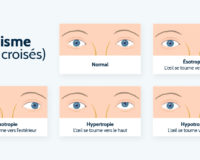
- Strabismus (crossed eyes).
- Amblyopia ("lazy eye"): Decreased vision in one eye due to impaired visual development during childhood.
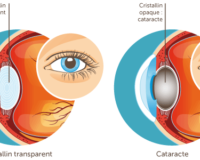
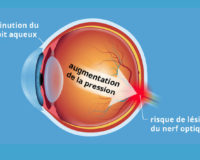
- Congenital cataract and congenital glaucoma (rare but serious conditions).
- Ptosis (drooping eyelid).
- Color vision disorders (color blindness).
- Nystagmus (involuntary eye movements).
- Lacrimal pathway abnormalities (blocked tear ducts).
- Conjunctivitis and other eye infections.
- Retinoblastoma screening (rare eye tumor in children).
Early diagnosis of these visual disorders is essential to implement appropriate treatment and avoid long-term consequences on the child's visual development and school learning.
What happens during a pediatric ophthalmology consultation in Geneva?
A pediatric ophthalmology consultation is adapted to the child's age and generally takes place in several steps:
- Anamnesis (medical history): Questions to parents about family history, course of pregnancy and delivery, child's development, any symptoms observed...
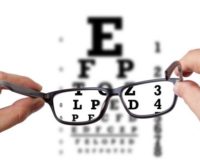
- Visual acuity measurement: Performed in a way adapted to the child's age (tests with drawings, letters, Snellen E...). In very young children, visual acuity can be estimated indirectly.
- Ocular motility examination and strabismus screening: Observation of eye movements, fixation tests, cover test...
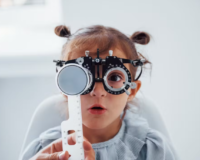
- Refraction test (vision measurement): Performed objectively, without active participation of the child, using a retinoscope or autorefractor. In children, refraction is often measured after instillation of cycloplegic eye drops to relax accommodation and obtain a more accurate measurement.
- Slit-lamp examination and fundus examination: To examine the structures of the eye in detail (cornea, lens, retina, optic nerve...) and screen for any abnormalities. In children, fundus examination is often performed after pupil dilation with eye drops.
- Intraocular pressure measurement (tonometry): If necessary, especially if glaucoma is suspected.
- Additional examinations if needed: OCT, visual field, color vision tests, etc., depending on needs.
The pediatric ophthalmologist takes the time to explain the exam results to the parents, answer their questions, and propose appropriate management if necessary (prescription of glasses, orthoptic treatment, eye drops, surgery...).
Prepare your child's pediatric ophthalmology consultation in Geneva
To facilitate your child's pediatric ophthalmology consultation:
- Schedule a time of day when your child is rested and available.
- Bring your child's health record book, as well as any glasses or contact lenses.
- If your child already wears glasses, check that they are clean and in good condition.
- Prepare a list of questions to ask the pediatric ophthalmologist.
- Explain the consultation process simply to your child, using age-appropriate words, and reassure them.
- Do not hesitate to accompany your child during the examinations and reassure them if needed.
A pediatric ophthalmology consultation is an important moment for your child's visual health. Do not hesitate to make an appointment at our pediatric ophthalmology practice in Geneva for a comprehensive check-up.
Visit our ophthalmology practice for a personalized medical opinion on your child's case. Book an appointment by phone at +41 (0) 22 346 26 78 or via our online booking system.


Leave a Comment