
Medical Education

Contact Lenses in Geneva: Soft, Rigid, Scleral, Custom-Made - Complete Guide
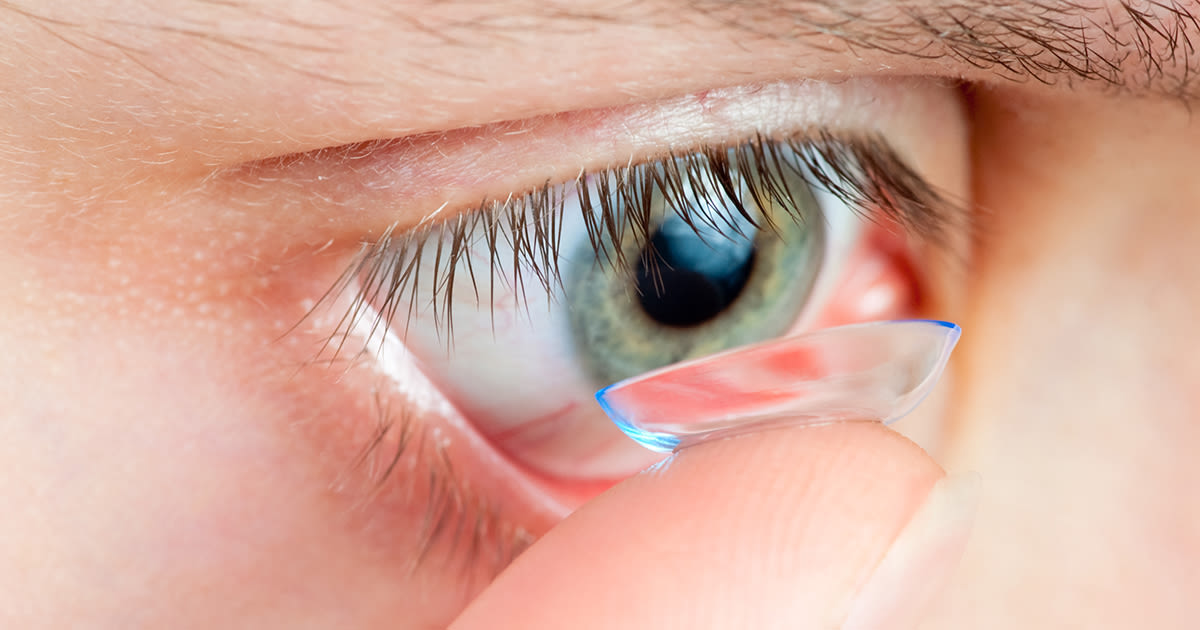
Focus Keyphrase: Contact Lenses Geneva
SEO Title (English): Contact Lenses Geneva: Types, Tips & Fitting
SEO Description (English): Complete guide to contact lenses in Geneva. Discover the different types (soft, rigid, scleral, custom-made), their advantages, disadvantages and indications. Contact lens fitting in our practice in Geneva.
Contact Lenses: Which Type to Choose? Guide to Options in Geneva
Contact lenses are a popular alternative to glasses for correcting vision problems such as myopia, hyperopia, astigmatism, and presbyopia. There is a wide variety of contact lenses, adapted to different needs and lifestyles. This guide presents the main types of lenses available in Geneva:
Soft Contact Lenses: Comfort and Versatility
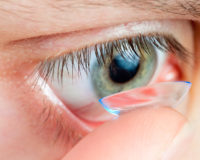
Soft contact lenses are the most commonly used. They are made of soft and comfortable materials, usually hydrogel or silicone hydrogel, which allow good oxygenation of the cornea.
Advantages of soft lenses:
- Immediate comfort: More comfortable than rigid lenses, especially when first worn.
- Easy adaptation: Adaptation is usually quick and simple.
- Wide choice of corrections: Available for myopia, hyperopia, astigmatism, and presbyopia.
- Different wearing schedules: Daily disposables (discarded after one day), bi-weekly, monthly, extended wear (day and night for several days).
- Less expensive than rigid and scleral lenses.
Disadvantages of soft lenses:
- Less resistant to deposits and proteins than rigid lenses. Require rigorous maintenance and more frequent replacement (especially daily disposables).
- Vision sometimes less precise than rigid lenses, especially in cases of significant or irregular astigmatism.
- Slightly higher risk of corneal infections if maintenance and hygiene are not followed.
Indications for soft lenses: Correction of myopia, hyperopia, mild to moderate astigmatism, and presbyopia. Suitable for most contact lens wearers, including beginners. Particularly suitable for occasional or sports wear, and for people seeking comfort above all else.
Rigid Gas Permeable (RGP) Contact Lenses: Optimal Vision and Corneal Health
Rigid gas permeable (RGP) contact lenses, also called "hard" lenses, are made of rigid but oxygen-permeable materials, allowing excellent oxygenation of the cornea.
Advantages of RGP lenses:
- Very sharp and precise vision: Often offer superior vision quality to soft lenses, especially in cases of astigmatism, keratoconus, or high corrections.
- Excellent corneal oxygenation: Reduce the risk of long-term corneal complications.
- More resistant to deposits and proteins than soft lenses. Less maintenance required and longer lifespan (several years).
- More economical in the long term than soft lenses (less frequent replacement).
Disadvantages of RGP lenses:
- Less immediate comfort: Require a longer adaptation period and may be less comfortable initially than soft lenses.
- More delicate fitting: Fitting and centration on the eye are more technical and require an experienced optician.
- Smaller than soft lenses, may be more easily lost or displaced if the eye is rubbed.
Indications for RGP lenses: Correction of astigmatism (regular and irregular), keratoconus, high myopia and hyperopia, presbyopia (rigid multifocal lenses). Recommended for people seeking optimal vision, good corneal health, or having specific needs (keratoconus, significant astigmatism).
Scleral Contact Lenses: Exceptional Comfort and Complex Corrections
Scleral contact lenses are a special type of large-diameter rigid lenses. Unlike conventional rigid lenses that rest on the cornea, scleral lenses rest on the sclera (the white of the eye) and completely cover the cornea, creating a fluid-filled space between the lens and the cornea.
Advantages of scleral lenses:
- Exceptional comfort: Thanks to their support on the sclera and the fluid space, they are often very comfortable, even for people intolerant to other types of lenses.
- Optimal vision: Offer excellent vision quality, comparable to rigid lenses, and effectively correct corneal irregularities.
- Corneal protection: The fluid space protects the cornea and keeps it hydrated.
- Suitable for dry and irregular eyes: Particularly indicated in cases of severe dry eye, keratoconus, corneal transplantation, Stevens-Johnson syndrome, etc.
Disadvantages of scleral lenses:
- Complex and longer fitting: Require very precise fitting and a specialized optician.
- More delicate handling: Insertion and removal may be a bit more complex initially.
- More expensive than soft and conventional rigid lenses.
Indications for scleral lenses: Correction of significant corneal irregularities (advanced keratoconus, corneal transplant, pellucid marginal degeneration, etc.), severe dry eye, dry eye syndrome, post-refractive surgery, post-traumatic corneal irregularities. Recommended for complex cases and people seeking maximum comfort and optimal vision despite corneal problems.
Custom-Made Contact Lenses: The Ultimate Personalization
Custom-made contact lenses are lenses manufactured individually, based on very precise measurements of your eye. They can be soft, rigid, or scleral, and are designed to meet very specific needs when standard lenses are not suitable.
Advantages of custom-made lenses:
- Perfect adaptation to your eye: Optimization of comfort, vision, and tolerance.
- Very specific corrections: Possibility of correcting complex ametropia, very significant or irregular astigmatism, high-order optical aberrations.
- Personalized materials and geometries: Choice of specific materials, diameters, base curves, powers... for optimal fitting.
Disadvantages of custom-made lenses:
- More expensive than standard lenses.
- Longer manufacturing time.
- Require very precise measurements and follow-up by a specialized optician.
Indications for custom-made lenses: Complex and atypical cases, fitting failures with standard lenses, needs for very specific corrections, significant corneal irregularities, complex post-refractive surgery, severe dry eye requiring maximum personalization. Recommended when other options are not sufficient to ensure satisfactory comfort and vision.
Contact Lens Fitting in Geneva: Trust Our Expertise
Choosing the most suitable type of contact lenses for your needs is an important decision that should be made in consultation with your ophthalmologist or optician-optometrist. A contact lens fitting is essential to ensure the right choice of lenses, their comfort, effectiveness, and safety for your eyes.
In our ophthalmology practice in Geneva, we perform personalized contact lens fittings for all types of lenses (soft, rigid, scleral, custom-made) and for all types of corrections (myopia, hyperopia, astigmatism, presbyopia, keratoconus, etc.). Our experts will advise and guide you at each step:
- Comprehensive eye exam and assessment of your needs.
- Choice of the most suitable type of lenses.
- Specific measurements and examinations for fitting.
- Lens trial and learning to handle them.
- Regular follow-up and adjustment if necessary.
Do not hesitate to make an appointment at our practice in Geneva to discuss your contact lens needs and benefit from a personalized and professional fitting.
Consult our ophthalmology practice for medical advice on the contact lenses best suited to your case. Book your appointment with us over the phone +41 (0) 22 346 26 78 or through our online booking.


Leave a Comment