
Medical Education

Glaucoma and Ocular Hypertension: Risks, Screening, and Management in Geneva
Focus Keyphrase: Glaucoma Geneva
SEO Title (English): Glaucoma Geneva: Symptoms, Screening & Treatment
SEO Description (English): Learn about glaucoma and ocular hypertension in Geneva. Discover the risks, the importance of screening, and treatment options. Your ophthalmology practice in Geneva for your eye health.
Glaucoma and Ocular Hypertension: What's the Difference? Simple Definitions
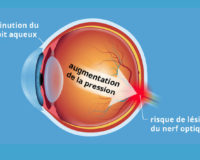
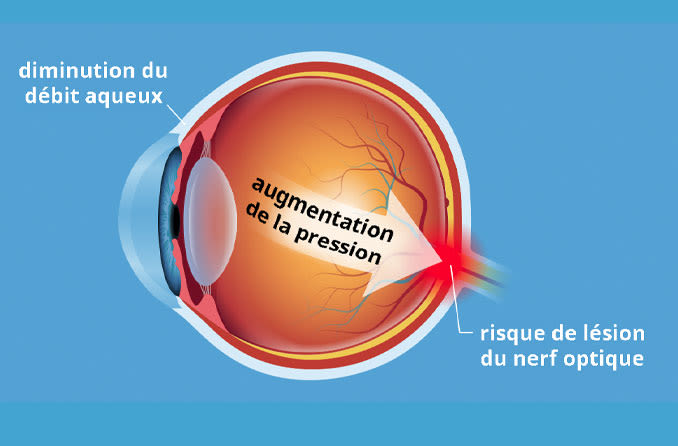
Glaucoma and ocular hypertension are two related terms, but it's important to understand the difference. Ocular hypertension simply means that the pressure inside your eye (intraocular pressure or IOP) is higher than normal. However, ocular hypertension does not automatically mean you have glaucoma.
Glaucoma, on the other hand, is an eye disease that damages the optic nerve, the nerve that connects the eye to the brain. In most cases of glaucoma, this optic nerve damage is caused by excessively high intraocular pressure. But there are forms of glaucoma where eye pressure is normal (normal-tension glaucoma).
In short: ocular hypertension is a risk factor for glaucoma, but not everyone with ocular hypertension will develop glaucoma. And you can have glaucoma even with normal eye pressure.
Why is Glaucoma Serious? The Risk of Irreversible Vision Loss
Glaucoma is an insidious disease because it is often asymptomatic in its early stages. Vision loss caused by glaucoma is progressive and irreversible. If glaucoma is not detected and treated in time, it can lead to peripheral (side) vision loss, and then, in advanced stages, blindness.
Glaucoma is one of the leading causes of irreversible blindness worldwide. That's why early detection and management are essential to preserve your vision.
Symptoms of Glaucoma and Ocular Hypertension: Warning Signs (Often Absent)
Here's the challenge: ocular hypertension usually causes no symptoms. You won't feel that your eye pressure is high.
Similarly, glaucoma in its early stages is most often asymptomatic. Central vision remains normal for a long time, and peripheral vision loss may go unnoticed at first. When symptoms do appear, they are often late and may include:
- Progressive loss of peripheral (side) vision: You may feel like you can't see as well to the sides, bump into objects, or have "tunnel vision."
- Blurred vision (in some types of glaucoma).
- Eye pain and redness (in acute angle-closure glaucoma, an ophthalmological emergency).
- Colored halos around lights (in some types of glaucoma).
Again, most of the time, glaucoma progresses silently at first. This is why regular eye exams are so important, even in the absence of symptoms.
Risk Factors for Glaucoma and Ocular Hypertension: Are You at Risk?
Several factors increase the risk of developing glaucoma or ocular hypertension:
- Age: The risk of glaucoma increases with age, especially after 40.
- High intraocular pressure (ocular hypertension): This is the main risk factor for glaucoma.
- Family history of glaucoma: A genetic factor is involved.
- Ethnicity: People of African and Asian descent have a higher risk of certain types of glaucoma.
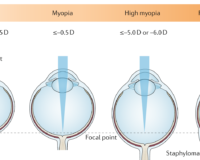
- High myopia (nearsightedness) (for open-angle glaucoma).
- Hyperopia (farsightedness) (for angle-closure glaucoma).
- Diabetes, high blood pressure, cardiovascular diseases.
- Prolonged use of corticosteroids (eye drops or systemic).
- Eye injuries.
If you have one or more of these risk factors, it is particularly important to have regular eye exams for early glaucoma screening.
Diagnosis of Glaucoma and Ocular Hypertension: Key Examinations
Diagnosis of glaucoma is based on a set of eye examinations:
- Intraocular pressure measurement (tonometry): This is the basic test for screening for ocular hypertension. Different techniques exist (air-puff tonometry, Goldmann tonometry, etc.).
- Optic nerve examination (ophthalmoscopy): After pupil dilation, the ophthalmologist examines the appearance of the optic nerve for signs of glaucomatous damage (increased cup-to-disc ratio, etc.).
- Visual field test (perimetry): This test detects peripheral visual field defects caused by glaucoma.
- Optical Coherence Tomography (OCT) of the optic nerve and retinal nerve fiber layer: An imaging test that analyzes the structure of the optic nerve in detail and detects early glaucomatous damage, even before the visual field is affected.
- Gonioscopy: Examination to observe the iridocorneal angle, the drainage angle of intraocular fluid, and determine the type of glaucoma (open-angle glaucoma or angle-closure glaucoma).
These examinations are painless (except for air-puff tonometry, which can be a bit startling) and allow your ophthalmologist to make an accurate diagnosis of glaucoma or ocular hypertension, assess the stage of the disease, and implement appropriate treatment.
Treatment of Glaucoma and Ocular Hypertension: Preserving Vision
The goal of glaucoma treatment is to slow down or stop the progression of the disease and preserve vision. Treatments primarily aim to lower intraocular pressure.
Treatment options include:
- Eye drops (hypotensive eye drops): This is the first-line treatment in most cases of glaucoma and ocular hypertension. Different classes of eye drops exist, acting in different ways to reduce eye pressure. Eye drop treatment is often lifelong.
- Laser treatments:
- Selective Laser Trabeculoplasty (SLT): Laser that improves the drainage of intraocular fluid and reduces pressure. Can be used as first-line treatment or in addition to eye drops.
- YAG laser iridotomy: Laser used in angle-closure glaucoma to create a passage for intraocular fluid and prevent an acute attack.
- Glaucoma surgery: If eye drops and laser are not sufficiently effective, or in certain forms of glaucoma, surgery may be necessary to create a new drainage pathway for intraocular fluid and lower pressure. Different surgical techniques exist (trabeculectomy, non-penetrating deep sclerectomy, drainage implants, etc.).
The choice of the most appropriate treatment will depend on the type of glaucoma, its stage, your target eye pressure, and your personal situation. Regular follow-up with your ophthalmologist is essential to adjust treatment and monitor disease progression.
Prevention of Glaucoma and Ocular Hypertension: Screening and Regular Follow-up
There is no way to directly prevent glaucoma, but early detection is crucial to preserve vision. Glaucoma detected and treated in time can be stabilized, and vision loss slowed down or even stopped.
Recommendations for glaucoma screening:
- Regular eye exams:
- Before age 40: If you have risk factors for glaucoma (family history, at-risk ethnicity, etc.), talk to your general practitioner or ophthalmologist to determine the frequency of monitoring appropriate for your case.
- After age 40: A comprehensive eye exam every 2 to 4 years is generally recommended, even in the absence of symptoms.
- After age 60: An annual eye exam is advisable.
- Inform your ophthalmologist of any family history of glaucoma.
- Lead a healthy lifestyle: Although lifestyle has no proven direct impact on glaucoma, good general health is always beneficial. A balanced diet, regular physical activity, and smoking cessation are recommended for overall health.
Regular screening is your best protection against glaucoma and the irreversible vision loss it can cause.
Glaucoma and Your Vision in Geneva: Our Ophthalmology Practice is Here to Help
If you have questions about glaucoma or ocular hypertension, would like to get screened, or have been diagnosed with glaucoma and are looking for care in Geneva, our ophthalmology practice is at your disposal. We perform all necessary examinations for glaucoma screening and follow-up, and offer treatments tailored to your situation.
[Your Ophthalmology Practice Name]
[Your Practice Address in Geneva]
[Phone Number]
[Website (if applicable)]
Consult our ophthalmology practice for medical advice on your case. Book your appointment with us over the phone +41 (0) 22 346 26 78 or through our online booking.


Leave a Comment